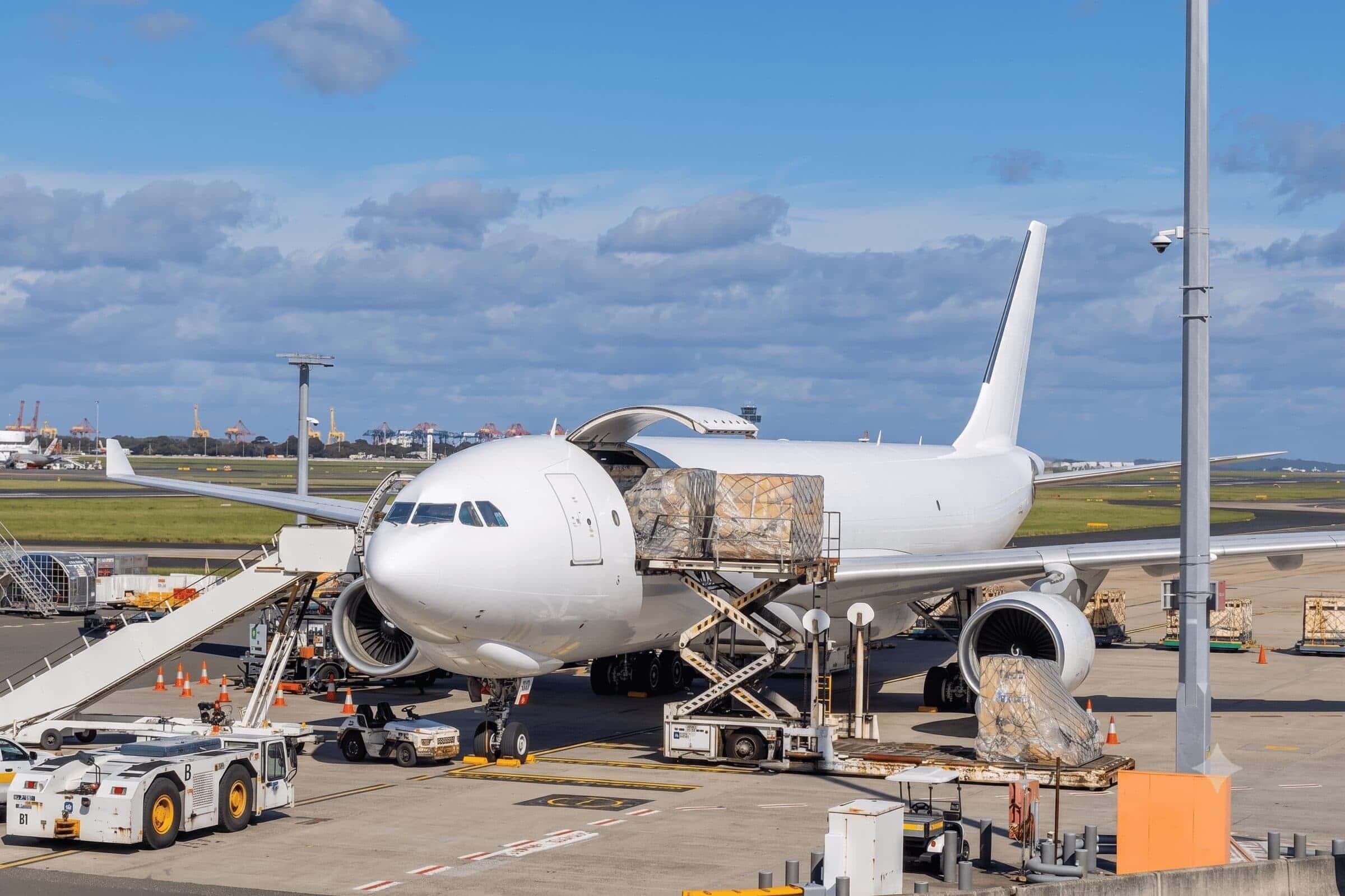

For most of the last two decades, ocean transit times were stable enough that treating them as a fixed number was reasonable. Twenty-one days meant twenty-one days, and the exceptions were rare enough to handle individually.
That assumption no longer holds, and the businesses coping best are the ones that stopped planning against a single figure.
Why a point estimate fails
A single transit number encourages two behaviours that both cost money. Either you plan tightly against it and get caught when a sailing is rerouted, or you pad it heavily and carry inventory you do not need for the ninety per cent of shipments that arrive on time.
Planning against a range lets you do something more useful: hold safety stock sized to the variability rather than to the worst case.
What we report instead
- A realistic transit range, not a single optimistic figure
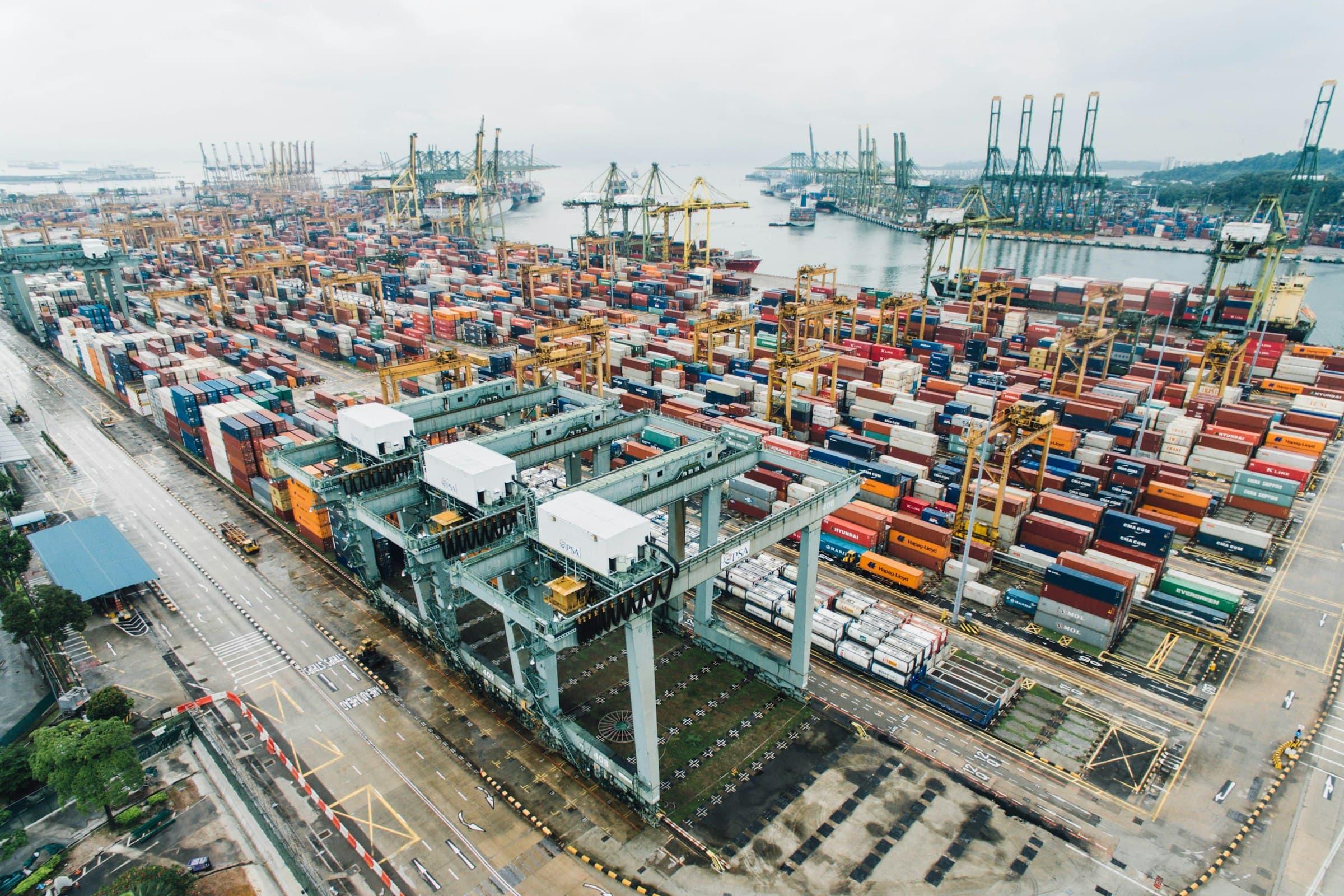
- Whether the routing is direct or via transshipment, since connections are where variability concentrates
- Early notice when a connection is at risk, rather than after it is missed
- Air alternatives priced in advance for the portion of cargo that cannot absorb the delay
Knowing a shipment will be late is worth considerably more than finding out it was.
The practical adjustment
Most clients who have adapted well did the same two things. They split time-sensitive volume off onto air rather than exposing the whole shipment to sea variability, and they moved from a fixed reorder date to a reorder point that accounts for the transit range.
Neither is complicated. Both require accepting that the transit time is a distribution, not a promise.