
Retail
Seasonal volume and replenishment cycles
Overview
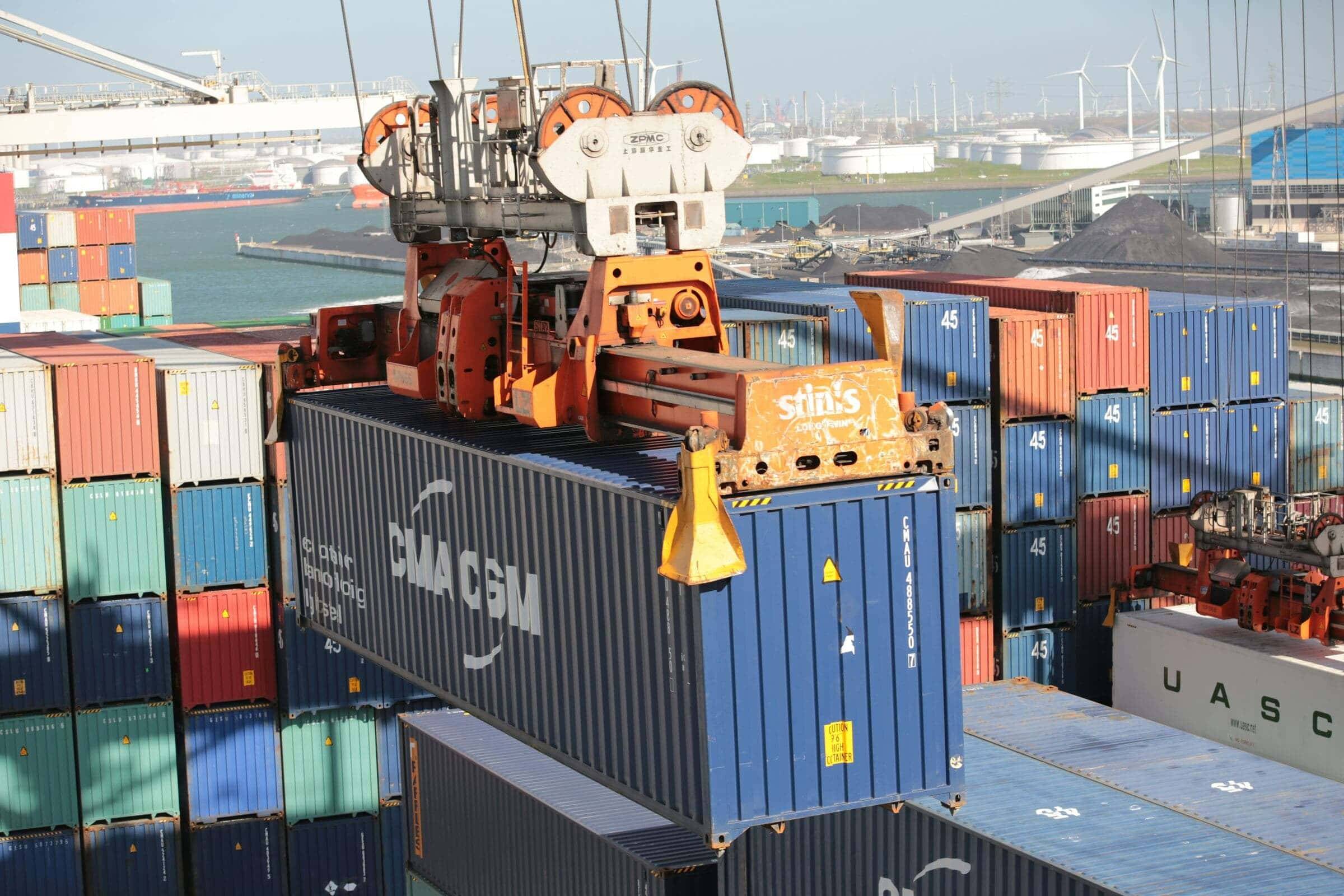
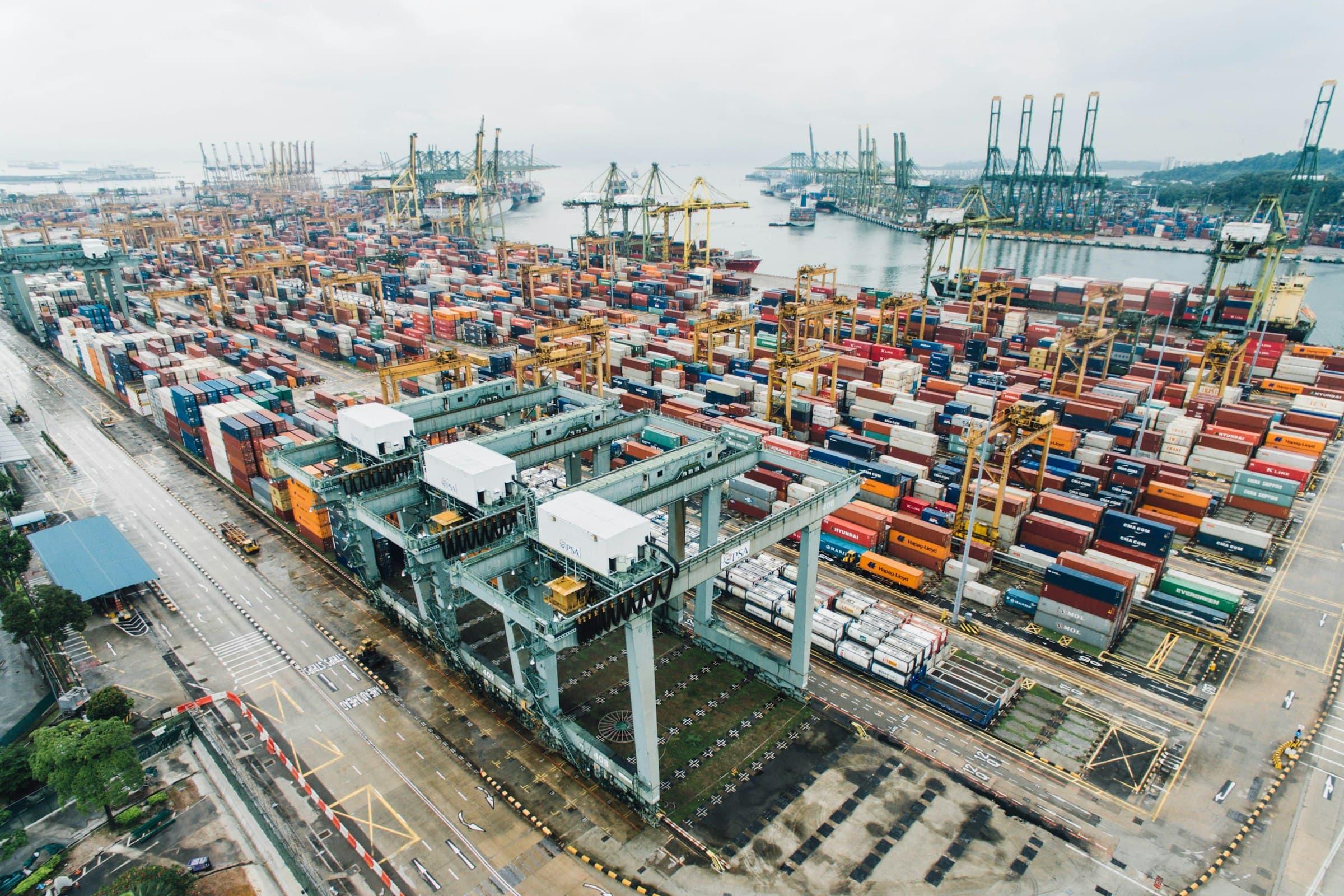
Ocean freight moves the overwhelming majority of world trade because nothing else comes close on cost per tonne. The trade-off is transit time and the number of parties involved — and it is the second one, not the first, that usually causes the problem.
We book directly with carriers on the lanes our clients use, hold weekly LCL consolidations out of Jebel Ali, and file the customs declaration ourselves. Fewer intermediaries means fewer places where a container waits on somebody else to send an email.
Capabilities
Container, loose and specialised cargo across the full sailing schedule.
20ft, 40ft and high-cube equipment booked directly with carriers on your chosen lane.
Weekly consolidations out of Jebel Ali, so part loads sail without waiting for a full box.
Cargo that will not fit a container, loaded loose with lashing and stowage plans prepared.
Temperature-monitored containers with set-point logging through the voyage.
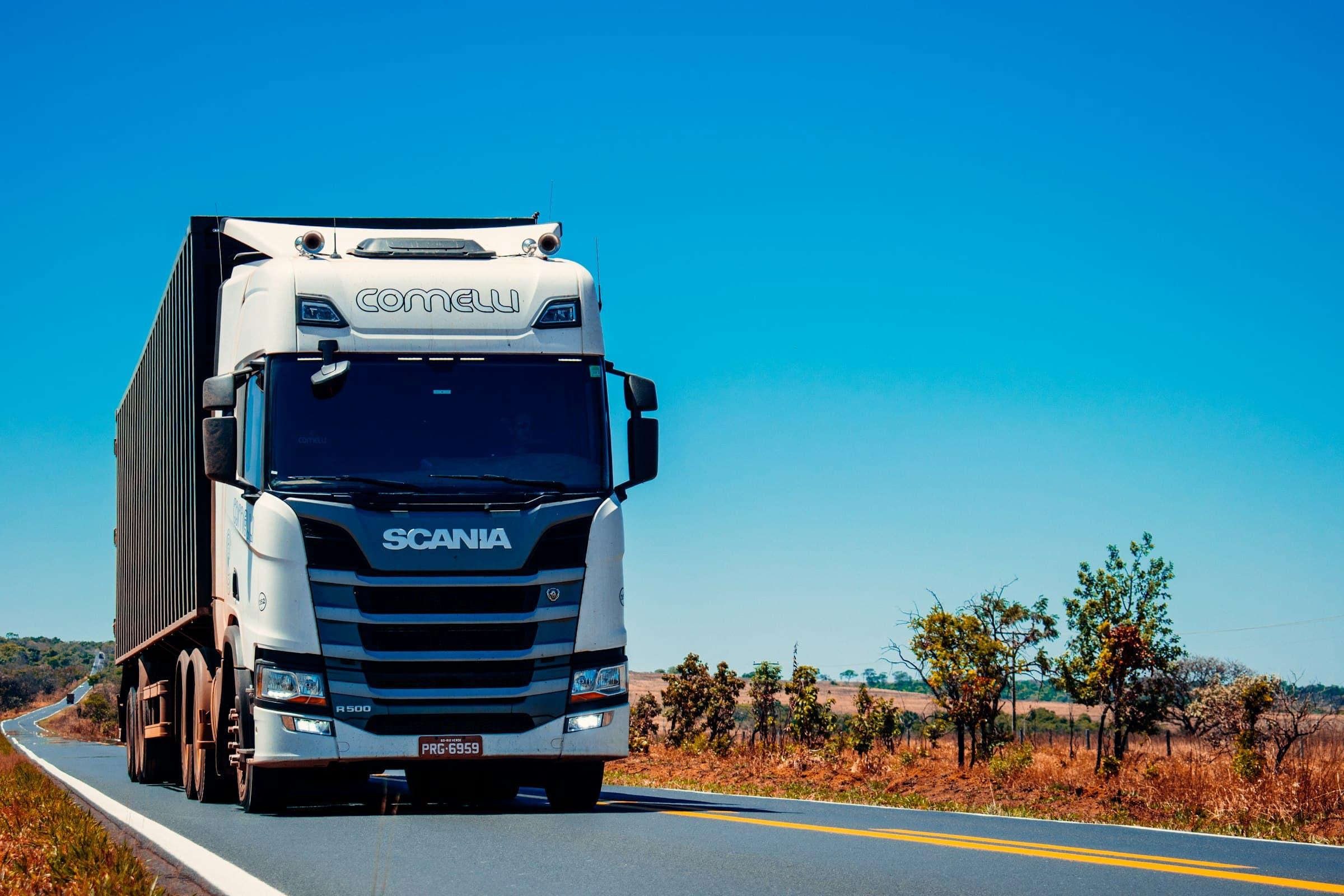
Inland haulage at both ends, so the quote covers the actual movement rather than port to port.
All-risk marine cover arranged against the commercial value of the shipment.
“Every container has a sailing. Ours also has someone answering the phone.”
ApexMax Ocean Freight · Dubai
How It Works
Booking to proof of delivery, tracked against one reference.
Space and equipment are confirmed against a named vessel and sailing date.
Cargo is collected and stuffed at your site or our facility, with a packing list raised.
We file the declaration, obtain the bill of lading and confirm the container is loaded.
Sailing is tracked through any transshipment, with delays flagged before they cost you.
Destination clearance is pre-filed and our fleet or agent closes the final leg.
Key Benefits
The most economical mode for volume that is not schedule-critical.
Booked with the line, not resold through a third forwarder.
Part loads sail on a regular schedule instead of waiting for volume.
Declaration filed by us, so clearance does not sit with a stranger.
Standard, high-cube, flat rack, open top and reefer.
Inland haulage both ends handled on the same file.
Industries Served
The handling, packing and documentation change with the sector. The accountability does not.
Seasonal volume and replenishment cycles
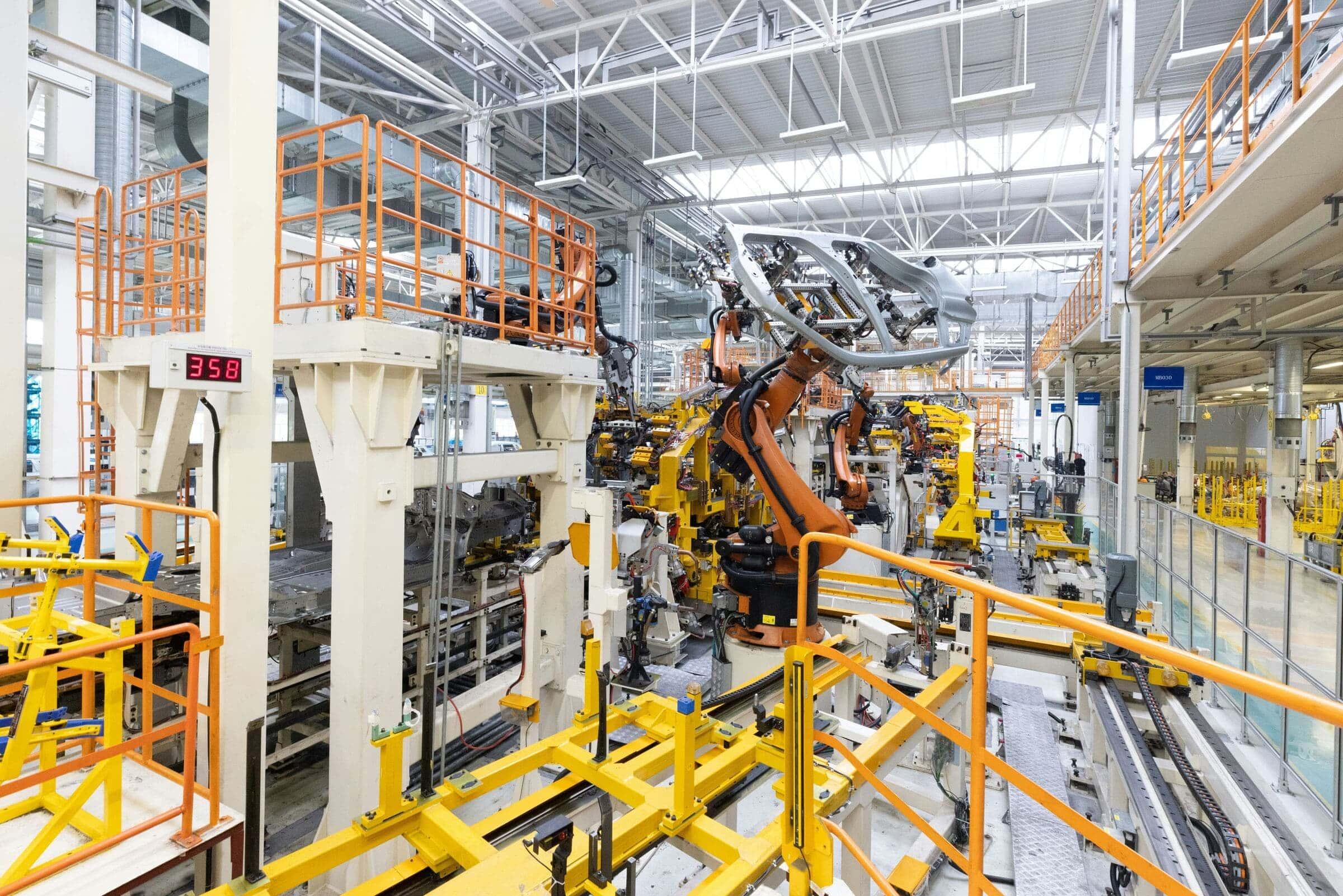
Plant machinery and production inputs

Parts, CKD kits and finished vehicles

Rig equipment, turbines and field spares
Questions
If yours is not here, the operations desk will answer it directly rather than sending a brochure.
As a rough guide, once cargo passes roughly 13–15 cubic metres a full 20ft container usually works out cheaper than paying LCL rates on the same volume. Below that, LCL is normally better. We quote both when the volume is near the crossover so you can see the actual numbers.
Related Services
Clients booking ocean freight usually pair it with these.
Get Started
Send us the origin, destination and cargo details. An operations coordinator will come back with a costed routing option — not a form acknowledgement.