Almost every shipper we speak to compares air and ocean the same way: they put the two freight quotes side by side and pick the smaller number. Ocean wins, usually by a factor of eight or ten. The decision takes about four seconds and it is wrong more often than it should be.
The problem is that freight cost is only one line in a much longer calculation, and for a meaningful category of cargo it is not even the dominant one.
What the freight quote leaves out
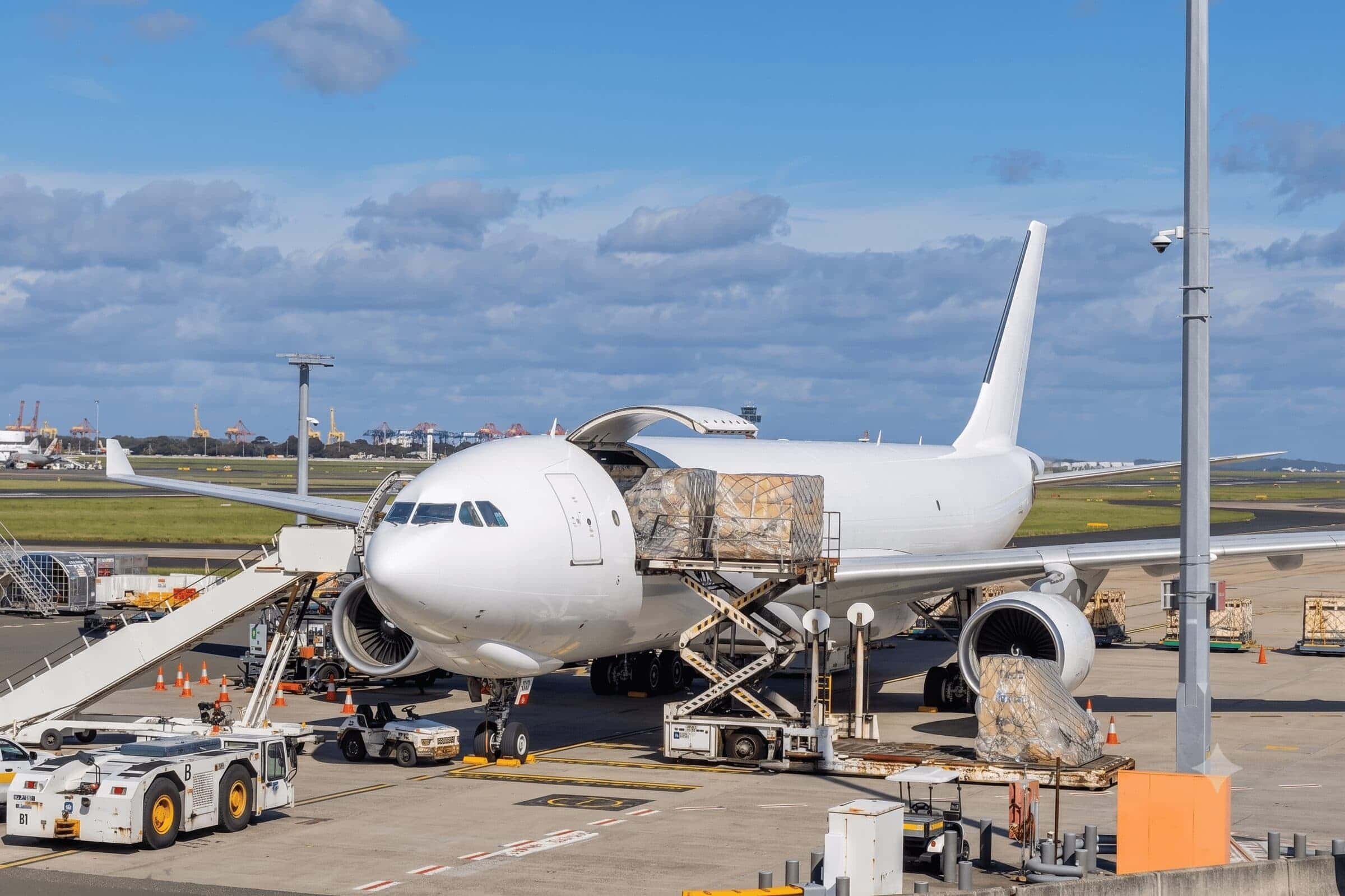
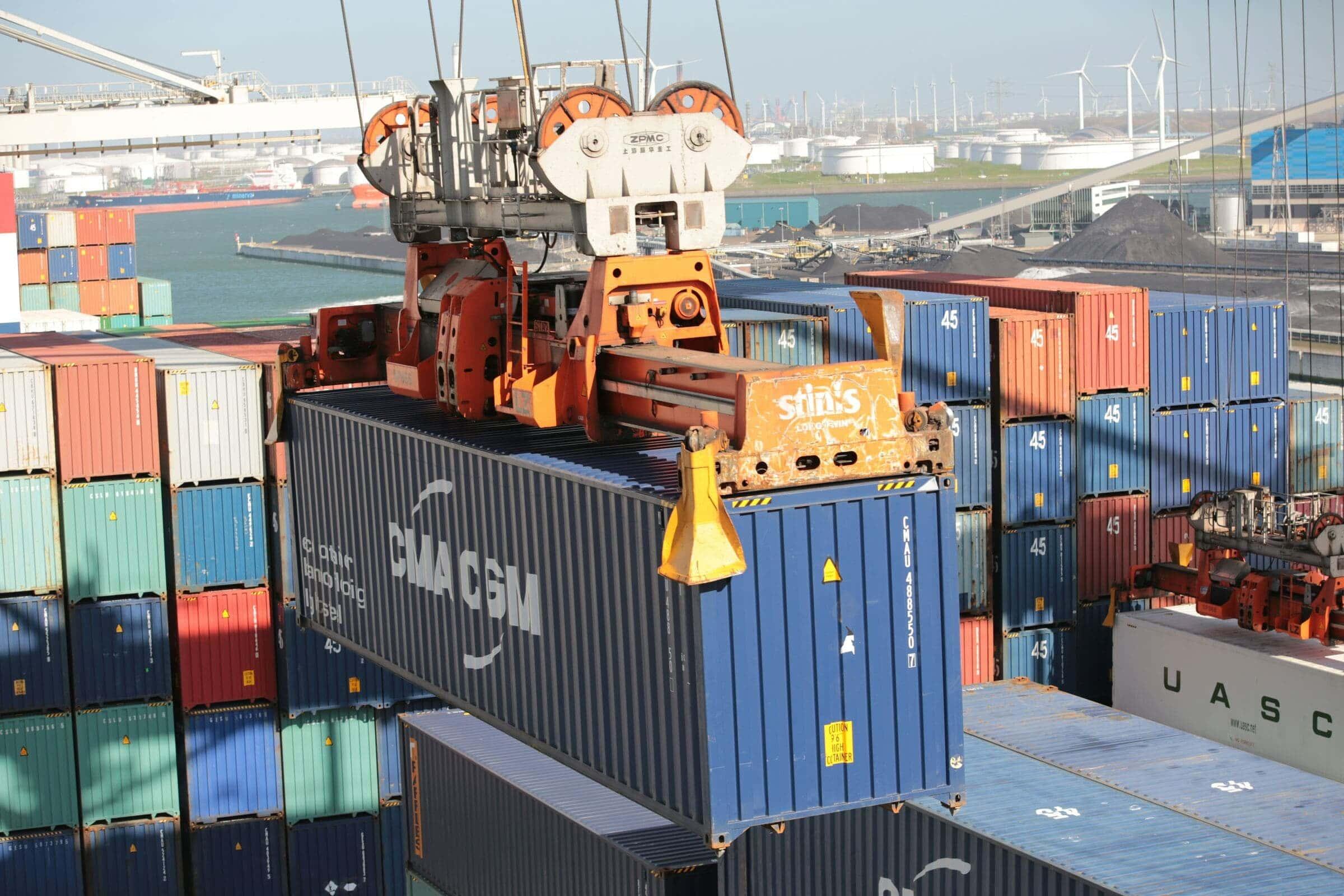
A container moving from Shanghai to Jebel Ali takes somewhere between eighteen and twenty-four days port to port. Add collection, clearance at both ends and inland delivery and you are realistically looking at five weeks door to door. The same cargo flies in three days.
During those extra four and a half weeks, several things are happening that never appear on the freight invoice:
- The capital tied up in that inventory is unavailable for anything else
- You are holding safety stock precisely because the transit is long and variable
- Insurance runs for the whole period, not just the sailing
- If the cargo depreciates — and electronics depreciate measurably — the loss is real
None of these are hypothetical. They are just distributed across different budget lines, which is exactly why they get ignored when someone is looking at two freight quotes.
The value-to-weight test
The most useful single heuristic is value per kilogram. It is crude, but it sorts cargo into the right bucket faster than anything else we use.
- 01Under roughly $10/kg — ocean almost always wins. Freight is a large share of landed cost and nothing else moves the needle.
- 02Between $10 and $50/kg — genuinely contested. Run the actual numbers; the answer depends on your cost of capital and how volatile your demand is.
- 03Above roughly $50/kg — air is frequently cheaper on total cost, even though the freight quote is many times higher.
Where the rule breaks down
Value per kilogram is a starting point, not an answer. Three situations override it entirely.
Something downstream is waiting
If a production line stops or an aircraft stays grounded, the freight differential is irrelevant. A grounded narrowbody costs more per day than flying the part several times over. This is not a close call and it should never be treated as one.
The cargo has a shelf life
Commercial shelf life counts as much as physical shelf life. Seasonal retail stock that arrives after the season has the same value as expired pharmaceutical stock: none. A missed window is a total loss, not a delay.
You are absorbing variability with inventory
This is the one most often missed. If you carry six weeks of safety stock because your ocean transit is unpredictable, some of that inventory is the cost of the mode. Shortening and stabilising the transit lets you carry less — and that saving belongs in the freight comparison.
The right question is never which mode is cheaper. It is what the cargo is doing while it travels, and what it is stopping you doing.
A practical middle path
Most of our clients do not choose one mode. They split the shipment: an air consignment covering immediate demand, with the bulk following by sea. It costs more than pure ocean and far less than pure air, and it removes the stockout risk that makes people over-order in the first place.
If you are running the numbers on a specific lane and want a second opinion on the split, our operations desk will quote both modes side by side so you can see the actual figures rather than the rule of thumb.