Sectors We Serve
Five industries. Five different definitions of urgent.
A stopped production line, a temperature excursion and a missed retail season are all emergencies. They need completely different responses.
How We Adapt
Same four disciplines. Configured differently every time.
Freight, customs, warehousing and transportation are the constants. What changes is how each one is set up for the cargo in front of us.
Freight
Mode is chosen against the cost of the cargo standing still, not against a standard rate card. An aerospace spare flies because the aircraft is grounded; the same client’s tooling goes by sea because nothing is waiting on it.
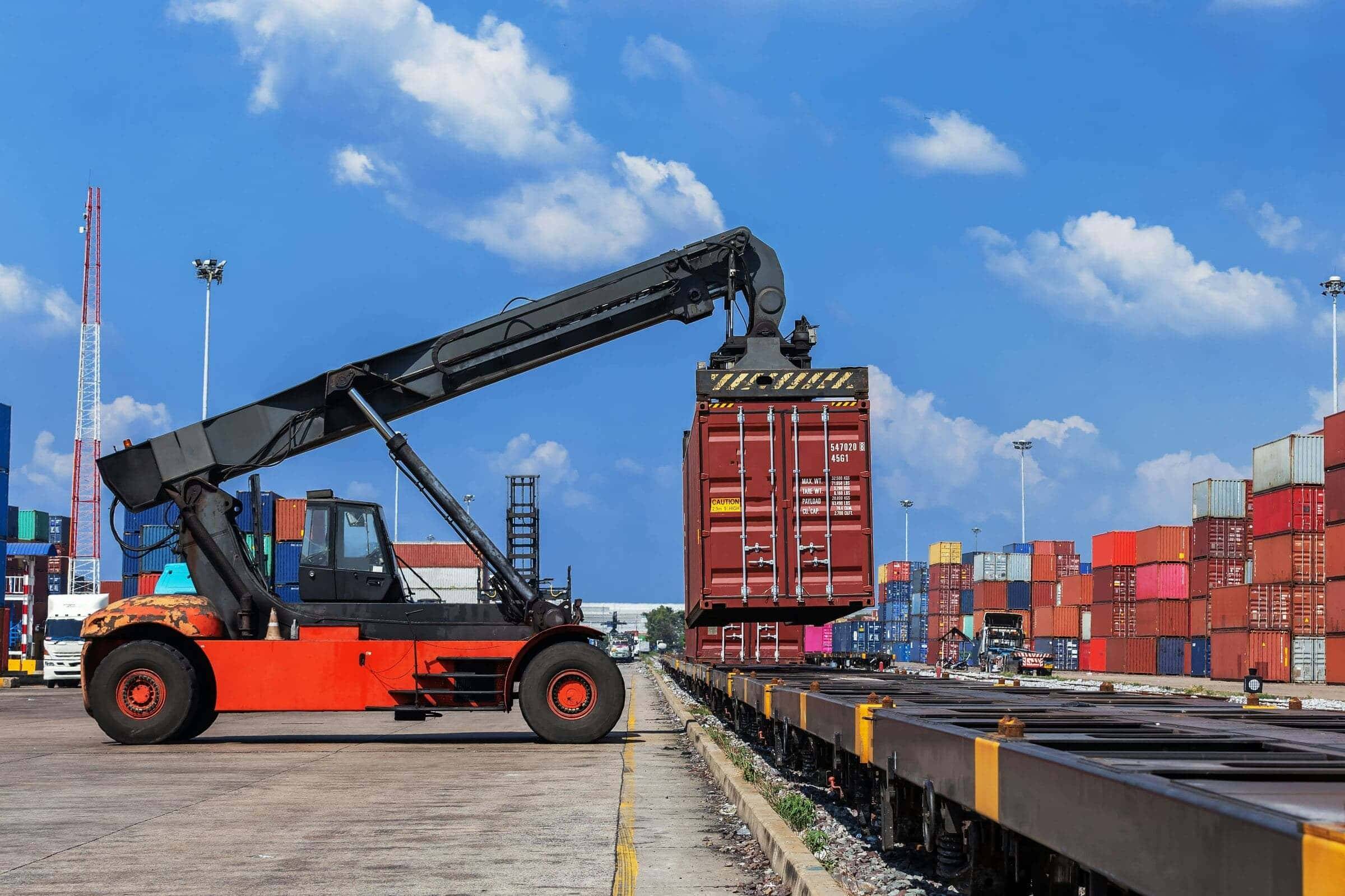
- AOG parts on next-flight-out capacity
- Retail peak volume consolidated by sea
- Turbine sections engineered as project cargo
Customs
Classification is where sector knowledge pays. Automotive components, medical devices and electronics all sit in tariff areas where the wrong code creates either an overpayment or a compliance exposure that surfaces at audit.
- Medical device regulatory approvals
- Automotive component HS classification
- Temporary admission for exhibition and field equipment
Warehousing
Storage conditions follow the cargo. Bonded space defers duty on re-export stock, controlled temperature protects pharmaceutical consignments, and secure caged areas hold high-value electronics.
- Bonded storage for re-export retail stock
- Temperature-controlled pharmaceutical holding
- Secure caged storage for technology cargo
Transportation
The final leg is planned around the receiving site. A retail multi-drop run and a staged delivery into an energy project site have almost nothing in common beyond both being trucks.
- Store-level multi-drop distribution
- Staged site delivery against a build programme
- Temperature-monitored last mile for clinical cargo
Cargo Profiles
What changes, sector by sector.
The cargo profile drives the routing, the packing, the storage conditions and the paperwork. Here is how each sector differs in practice.

01 · Automotive
Parts, CKD kits and finished vehicles moving to a production line that will not wait.
High-value components on tight production schedules, mixed with bulky finished units that need specialised handling.
- A line stoppage costs more per hour than the freight ever will
- CKD kits must arrive complete or the shipment is worthless
- Finished vehicles need roll-on handling and damage-free delivery

02 · Consumer & Retail
Seasonal peaks, replenishment cycles and the shelf date that does not move.
High-volume, low-margin goods where landed cost decides profitability and a missed season writes off the stock.
- Peak volumes arrive in weeks, not spread across the year
- Landed cost per unit is the number that matters, not freight rate
- Store-ready labelling and packing expected before delivery

03 · Energy
Rig equipment, turbines and field spares bound for sites without a loading dock.
Heavy, oversized and often urgent. Cargo that needs a route survey before anyone quotes a delivery date.
- Cargo routinely exceeds standard container and trailer limits
- Destinations are remote, with no port or crane infrastructure
- Downtime on a field asset is measured in hundreds of thousands

04 · Healthcare
Temperature-controlled, time-critical and audited end to end.
Pharmaceutical, clinical and medical device cargo where a temperature excursion destroys the consignment.
- Cool chain must hold through every transfer, including the tarmac
- Regulatory documentation is checked, not assumed
- Clinical trial and emergency shipments cannot wait for consolidation
05 · Industrial
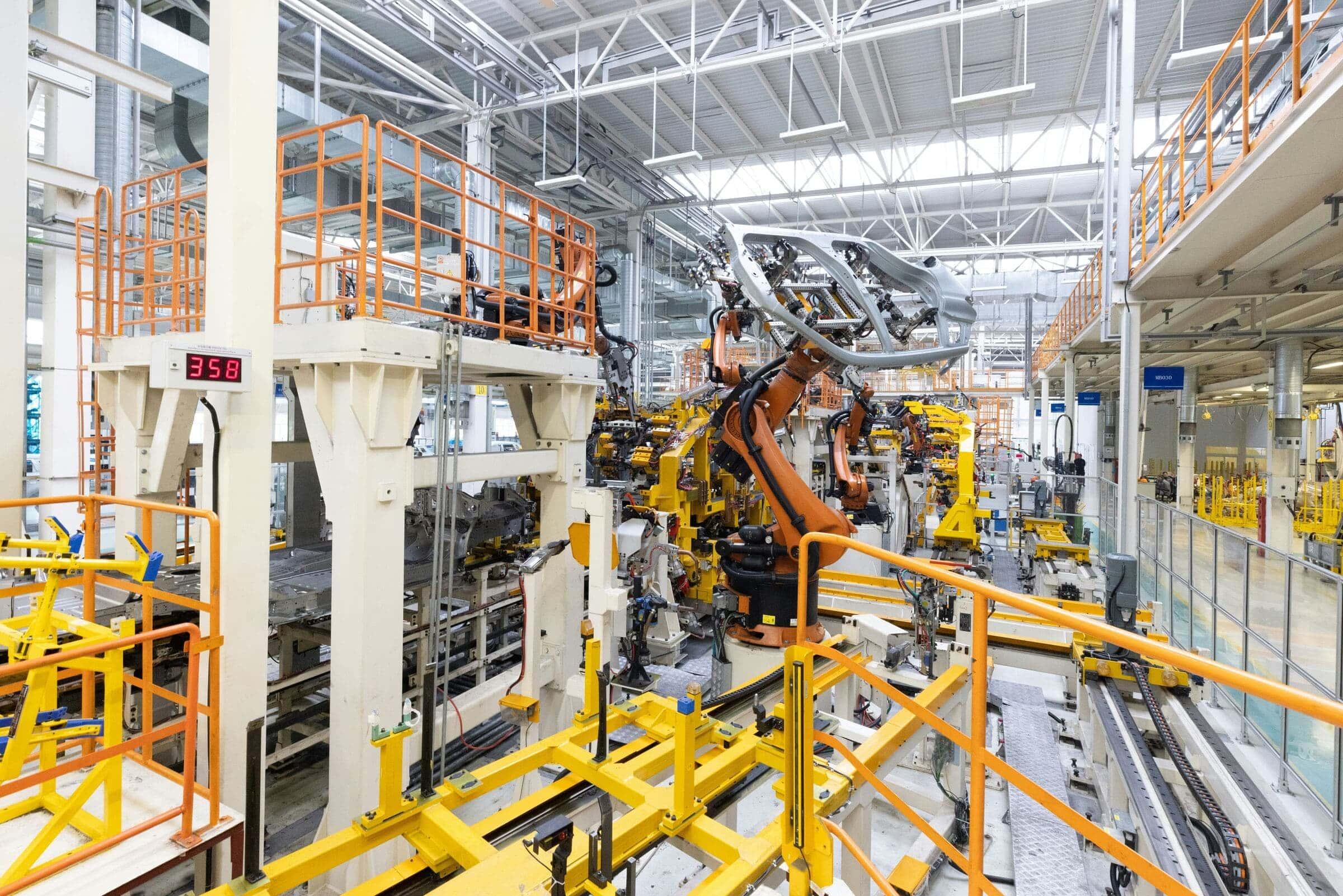
Plant machinery, production inputs and the spares that keep both running.
Mixed profile — regular bulk inputs on cost-driven ocean routings alongside urgent breakdown spares by air.
- Two very different urgency profiles on the same account
- Machinery often needs lifting plans and site access surveys
- Duty classification on components is rarely straightforward

Get Started
Tell us what you move.
Send us the origin, destination and cargo details. An operations coordinator will come back with a costed routing option — not a form acknowledgement.