
A grounded aircraft is among the most expensive things in commercial aviation. The cost accumulates continuously, and it dwarfs the freight cost of the part by orders of magnitude. Everyone in the industry knows this, which is why every forwarder claims AOG capability.
The claim is easy. The difference between operators shows up in the first half hour, well before anything is loaded onto an aircraft.
The first thirty minutes
- 01Someone answers the phone who can make decisions, not log a ticket
- 02Available capacity is checked across carriers immediately, not requested by email
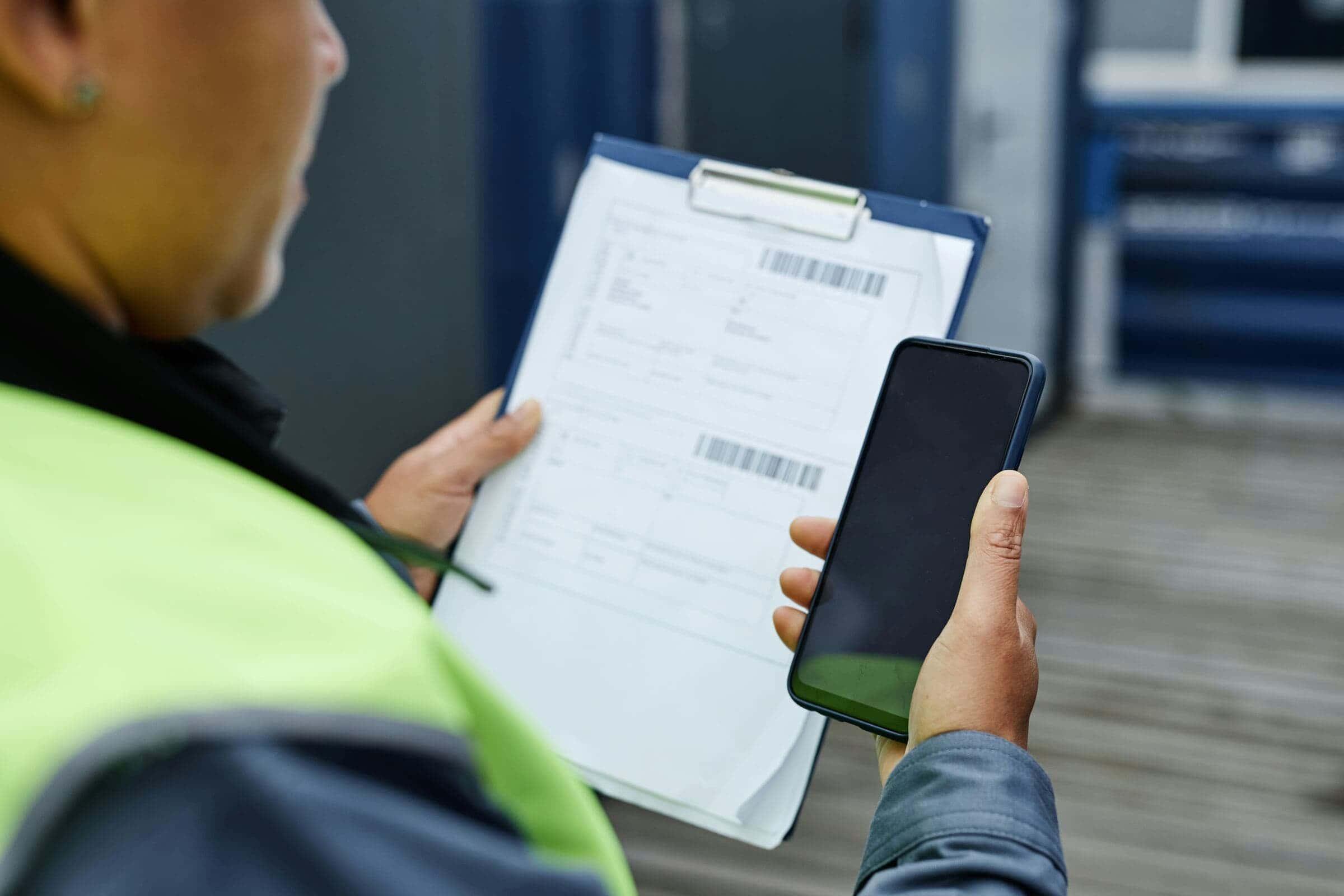
- 03Export documentation begins in parallel with the routing, not after it
- 04Dangerous goods status is established up front, since many components are classified
- 05Destination clearance is briefed before the part leaves the ground
None of that requires special equipment. It requires a desk that is genuinely staffed outside office hours and empowered to commit.
Where AOG shipments actually lose time
Almost never in the air. The delays we see concentrate in two places: dangerous goods classification discovered late, and destination clearance that nobody started until the part had landed.
The aircraft is not usually waiting on a flight. It is waiting on a form somebody could have started three hours earlier.
Both are solvable by starting the paperwork at the same moment as the booking rather than sequentially after it. That is the whole discipline, and it is why response quality varies so much between operators offering nominally identical services.